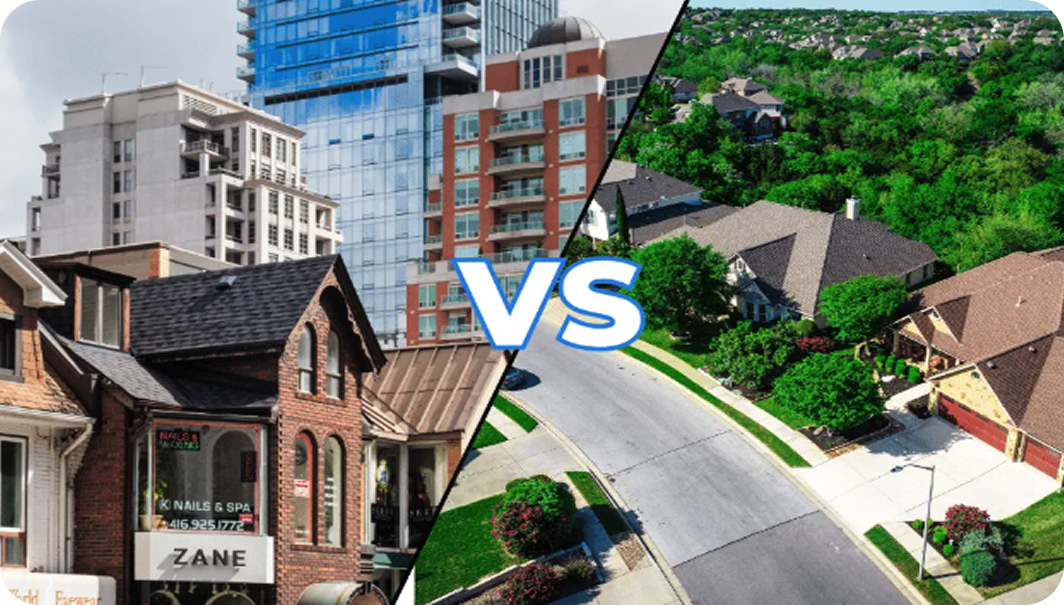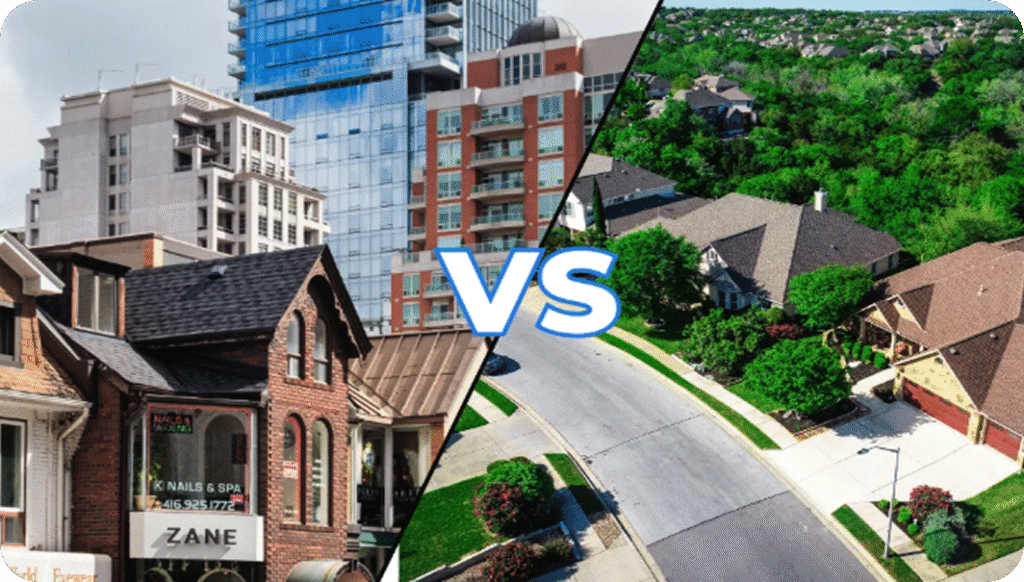
Choosing between urban and suburban living in the Philadelphia area depends on your lifestyle, priorities, and long-term goals. Both offer distinct advantages — and understanding the differences can help you find the perfect place to call home.
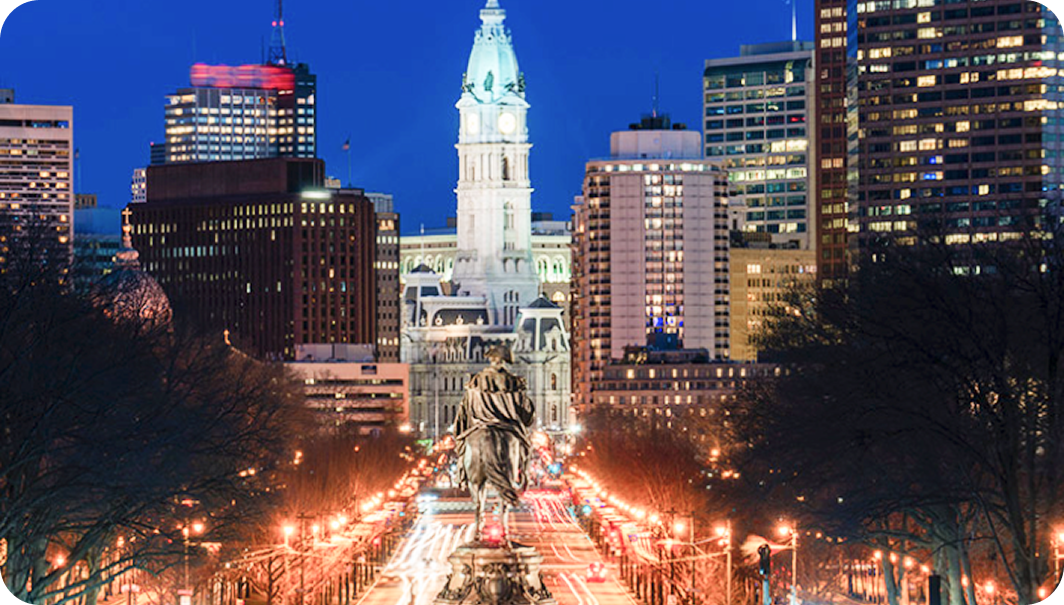
🏙️ Urban Living
Neighborhoods: Center City, Fishtown, Graduate Hospital, Fairmount, Northern Liberties, Queen Village
Who it’s for: Professionals, students, creatives, empty nesters, or anyone who thrives on energy, walkability, and convenience.
Pros:
-
Walkability: Shops, restaurants, parks, and transit are often just steps away.
-
Public Transit Access: Easy access to SEPTA subway, buses, trolleys, and regional rail.
-
Cultural Attractions: Museums, theaters, markets, festivals, and nightlife at your doorstep.
-
Diverse Housing: From historic brownstones to modern high-rises and renovated rowhomes.
Considerations:
-
Higher cost of living and property taxes in some areas.
-
Limited parking and outdoor space.
-
Faster pace and more noise.
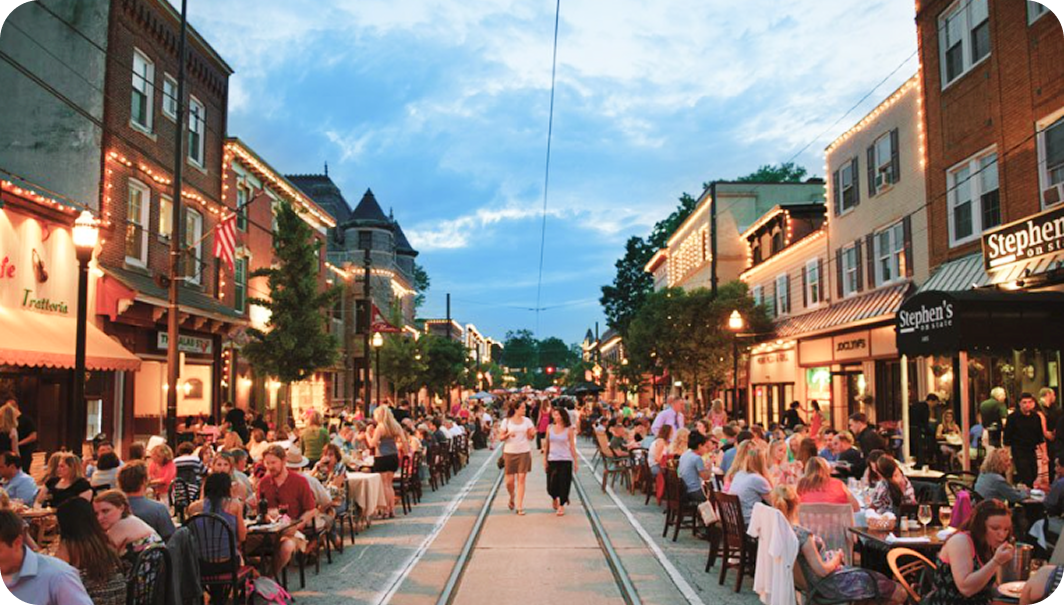
🌳 Suburban Living
Popular Suburbs: Lower Merion, Havertown, Media, Chestnut Hill, Ridley Township, Delaware County
Who it’s for: Families, retirees, those seeking more space, quieter surroundings, or a more traditional residential environment.
Pros:
-
More Space: Larger homes, yards, and driveways are common.
-
Peace & Privacy: Quieter streets and lower population density.
-
Public Schools: Many suburban school districts rank among the best in the state.
-
Community Feel: Block parties, local events, and strong neighborhood networks.
Considerations:
-
Requires a car for most errands.
-
Longer commute times depending on location.
-
Fewer entertainment and nightlife options close by.
🔍 Which Should You Choose?
-
Choose Urban Living if you value culture, convenience, and connection.
-
Choose Suburban Living if space, serenity, and schools are your top priorities.
Luckily, in the Philadelphia region, you can find options that blend the best of both — from transit-connected suburbs to walkable neighborhoods with a residential feel.